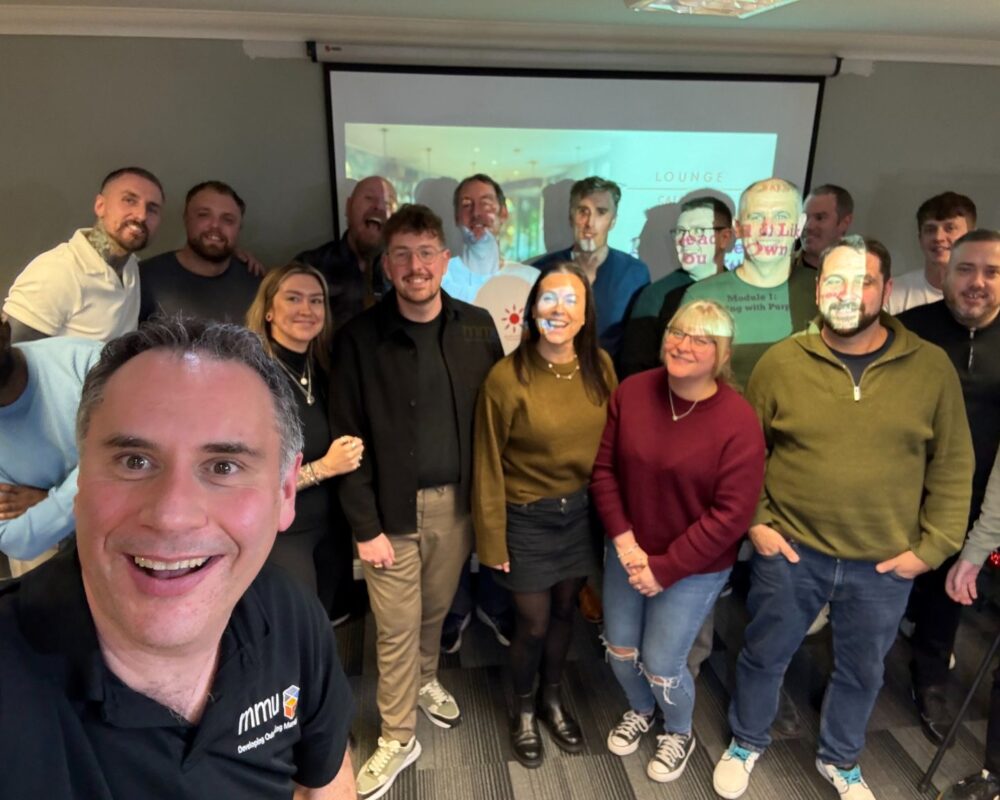
Loungers is a café-bar and restaurant chain that operates over 250 sites across England and Wales. It encompasses the Lounge, Cosy Club and Brightside Dining. We’ve just wrapped the first of five sessions for Lounger’s Lead It Like You Own It programme, which centres around ownership, entrepreneurial thinking and giving managers permission (and confidence) to try new things.
This project came about after two Loungers employees joined our The Leader of Managers programme in 2025. During the programme, we were asked to incorporate some of the most impactful elements into Loungers’ development programme.
We crafted these core elements specifically for Loungers:
- Proactive planning and critical impact visits
- Full Focus Productivity
- Performance coaching
- Situational leadership.
The intention was to set people up for success through clarity. A small number of clear objectives, supported by an operating system that helps managers review and progress their goals weekly and daily. That’s where the Full Focus element really comes to life – making incremental progress, rather than feeling overwhelmed by everything at once.
Module One – Planning with Purpose – did exactly what it said on the tin. It challenged Loungers’ Operations Managers and Operations Chefs to plan their time more intentionally, and to rethink how they create traction in a world full of distractions. They learnt that the opposite of distraction isn’t discipline. It’s traction. And traction only happens when you’re clear on what you want to be pulled towards.
Big rocks and bold intentions
We started by focusing on the first quarter of 2026 – January, February and March. This wasn’t about creating a full list of tasks. It was a focus on areas of transformation across revenue, customer experience, team development, and community impact.
The emphasis was on clarity:
- What precisely needs to change?
- How will you measure it?
- How will you know when you’ve succeeded?
That’s the spirit of SMART objectives (specific, measurable, achievable, relevant, time-bound). Although here’s the problem I’ve always had with the SMART framework: most people know the acronym, but very few actually know how to write a SMART objective. Trust me, I see it every month! People often make them too vague, focus on activities, make them unrealistic or too easy, and forget to include deadlines.
Lag vs lead: changing the game
We introduced the difference between lag measures and lead measures.
- Lag measures tell you after the fact whether you achieved the result.
- Lead measures are the actions you believe will drive that result if done consistently.
It’s the lead measures that truly move the needle; they’re the difference between hoping performance improves and actively influencing it.
Performance agreements: borrowing wisdom from Covey
Another key component was the performance agreement – a concept I first discovered in Dr Stephen Covey’s The 7 Habits of Highly Effective People. It’s a simple yet powerful idea: have a clear conversation up front about the desired results, the rules and guidelines, and the resources required for success.
Watching the Loungers managers try this out in real-time reminded me why I love this work. It ensures both multi-unit managers and GMs benefit, reducing the need for constant supervision.
Escaping ‘Quadrant 3’: light bulb moments
The Time Matrix sparked some real introspection. Many participants realised how much time they were losing to Quadrant 3 – tasks that are urgent, but not important.
We also looked at how technology, including AI, can reduce this noise by enabling you to:
- Capturing notes or thoughts on the go
- Summarise daily reports,
- Turn admin into something lighter, quicker and more precise.
The goal was simple. Shift more time into Quadrant 2 – the sweet spot, where you focus on things that aren’t urgent but are important. This is around planning, developing others, and developing ourselves. This is the work that truly builds high-performing teams.
Designing an ideal week and month
I don’t mean a week lounging on a beach with a mojito! I mean a real blueprint for how their time should look if nothing (and no one) steamrolled their priorities. The focus was on the actions that genuinely move the dial:
- Spending meaningful time with managers and head chefs
- Being present on site
- Coaching
- Setting direction
- Lifting standards.
Admin still matters, of course, but it’s lonely work – and if we don’t safeguard our time, it expands to fill every gap.
We also discussed self-care, because conserving and managing energy is one of the most underestimated leadership tools. Time with family, hobbies, sport, even quiet time alone – these aren’t luxuries. They’re essential.
The Productivity Code – 60:30:10
Everything came together when we introduced MMU’s Productivity Code – 60:30:10.
- 60 minutes a quarter to set your Big Rock goals.
- 30 minutes a week to define your Weekly Big 3 achievements.
- 10 minutes a day to identify the Daily Big 3 tasks that move those weekly goals forward.
This framework creates a powerful cadence:
- Quarterly clarity
- Weekly focus
- Daily execution.
The system ensures your 90-day goals remain alive, are reviewed weekly and acted upon daily.
Closing with technology: Outlook, AI and practical tools
We ended with a webinar on how to use Microsoft Outlook and AI tools to streamline planning and workflow. We explored:
- Microsoft To Do
- Read AI
- Wispr Flow
- Manage privacy and security when using ChatGPT or Copilot.
The message was clear: technology shouldn’t overwhelm you – it should buy you time and sharpen your thinking.
Five groups, 800 miles, and a huge thank you
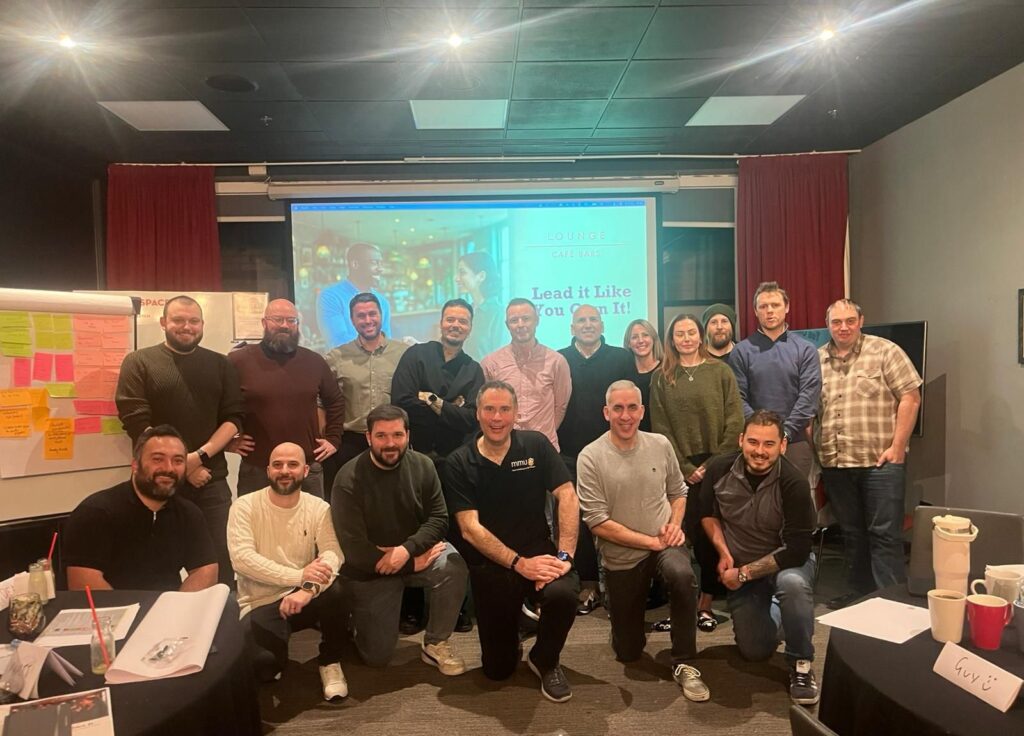
This first module has now been delivered to five groups across Exeter, Manchester, Birmingham (twice) and Guildford. This was 800 miles of travel, with the brilliant Cosy Club team still to follow in February.
A huge thank you to Petra, Guy, Klive, Stewart and Cerys for their support in shaping and delivering this programme. Their fingerprints are all over its success.
“Looking forward to the next module – the first one has already done wonders for my planning. My inbox (and mind) feel clearer already. Thank you so much!”
Anneliese Jaynes, Operations Chef – South West Coast
What’s next for Loungers?
In 2026, we’ll be moving into:
- Coaching for performance
- Leading with courage
- One-to-ones with every Regional Ops Manager in January to review and refine the Big Rock action plans submitted by their Ops Managers and Ops Chefs.
If Module One proved anything, it’s this: when leaders plan with intention, everything else becomes more possible.