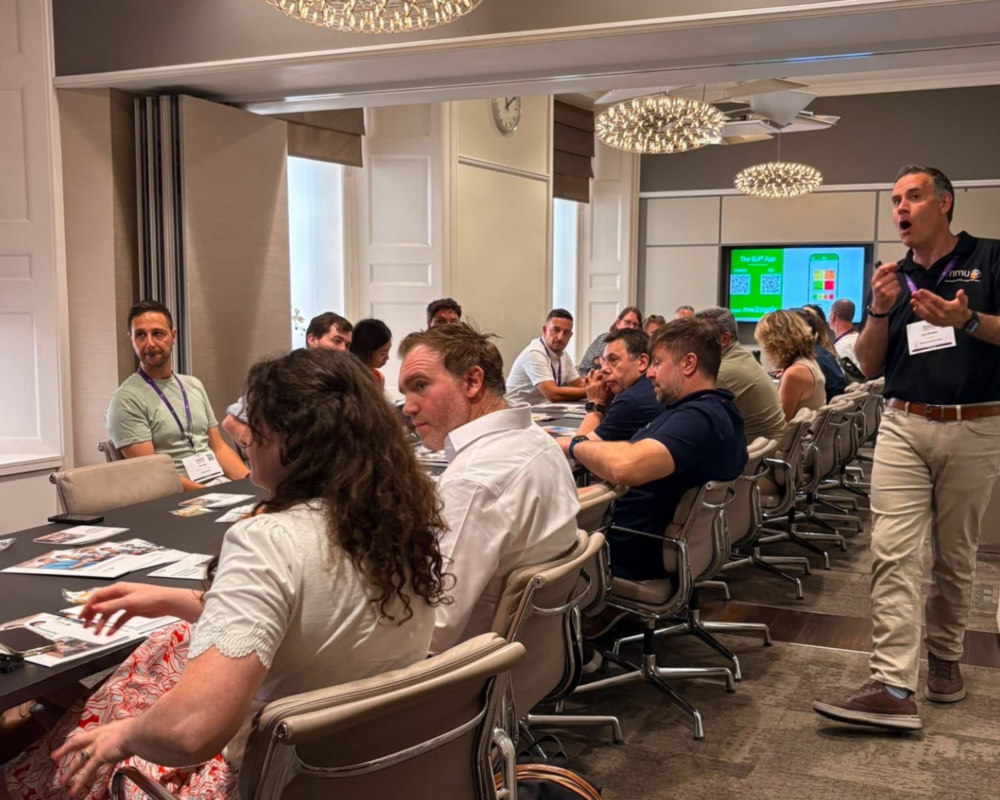
Propel’s Ops Excellence conference took place in July, and I came away thinking less about the tech, the AI or the labour headlines that filled most of the agenda, and more about who was actually on stage. They were the managing directors and chief executives running businesses like Loungers, Bills and Pizza Pilgrims. What I found telling is that every one of them, the moment they got to what really moves their business forward, came back to the same place, and it wasn’t the systems, the dashboards or the marketing spend. It was their people, and above all, the leaders running their sites and the multi-site managers sitting between the boardroom and the floor.
Kate Eastwood, the MD of Loungers, put it about as plainly as anyone could: that a brilliant general manager and head chef in a site is where the single biggest return lives, and that one pound spent there will do more than almost anything else she can do. It’s why Loungers carry such a deliberately tight operational structure; one ops manager and one ops chef for every eight to ten sites, so that the layer above the unit actually has the time to be close to it.
Tom James, the MD of Bills, told us that developing his leaders, right through every tier, now takes up around ninety per cent of his time, and Gavin Smith, the CEO of Pizza Pilgrims, spoke with real warmth about the stretch programme he has built for his brightest GMs and chefs, and how the thing that gives him most pride is developing other people.
James Spragg, Chair of Cambscuisine, reflecting on a career spent turning businesses around, gave us the line of the day: that a turnaround is what happens when optimism finally hires operations, because the answers, as he put it, are nearly always already there in the people closest to the customer if you are willing to ask and to listen.
One of the core points I took from the day, and the one that encouraged me most, is that:
People at the very top of these businesses will tell you, without any real prompting, that the highest-leverage thing they do is grow the leaders immediately below them, and in a multi-site business that layer, the regional or multi-site manager holding eight or ten sites, really is the whole game, because they are the ones who turn whatever the board decides into what a customer actually feels on a wet Tuesday in one particular site.
The leaders who impressed me most were the ones who understood that this layer needs developing in a very particular way. Kate talked about the danger of what one of her regional managers beautifully called a green tinderbox, where every metric has gone green, and yet you can feel the place is about to blow. Her point was that a good leader reads the behaviours underneath the numbers rather than just chasing the numbers themselves.
Martin McTigue at Starbucks was honest about realising he had been too transactional with a new team and needed to be far more inspirational, adapting his style to the people in front of him rather than the other way round, which is situational leadership lived out rather than taught. And running through so much of it was the quieter discipline of succession, that constant attention to who is coming through next, which is what lets these businesses grow at the pace they are without the wheels coming off.
Skill versus will
That idea of meeting people where they actually are, rather than where we might wish them to be, was the exact thread running through our own session on the day, which made it a real highlight for me. MMU was a sponsor of the conference for the second year running, and while my colleague David Blackmore, our ops excellence coach, ran our breakout last year on how effective peer reviews help multi-site managers, this was my first chance to lead one myself.
Alongside the main stage, I ran a half-hour breakout with Ed Dunn, a Regional Operations Manager at Loungers, on going beyond the skill versus will diagnosis, and the expensive mistakes multi-site leaders make when they reduce performance to a simple ‘can do’ or ‘won’t do’.
Drawing on the SLII situational leadership framework, we dug into why your very strongest operator can still be a genuine beginner on a task that is new to them. We also looked at why leaders looking after a whole region are especially prone to getting that diagnosis wrong, and what it takes to read it accurately on a site visit or in a business review and then flex how you lead in response. What made this really connect with the operators in the room was Ed’s honesty about doing this for real at Loungers; the challenges as much as the rewards of leading this way rather than treating everyone the same. We had planned it as a small, intimate breakout, and it turned into a standing-room-only session. This speaks volumes about how ready operators are to move past the crude labels and lead their people with a bit more precision. Ken Blanchard captured it perfectly years ago when he wrote that:
“There is nothing so unequal as the equal treatment of unequals.”
And operational excellence has never come from treating everyone the same; it comes from giving people exactly what they need, exactly when they need it.
This blog is an excerpt from a LinkedIn article by Lee Sheldon. If you’d like to read the full article and find out more about why leadership comes first and operational excellence, read it here: Operational excellence is really people excellence.